Post
Top 10 Things to Look For When Buying a Used Car: A Complete Buyer’s Guide
Jun
Top 10 Things to Look For When Buying a Used Car: A Complete Buyer’s Guide
Buying a used car can be one of the smartest financial decisions you make, saving you thousands of dollars compared to purchasing new. However, the used car market can be a minefield of potential problems if you don’t know what to look for. This comprehensive guide walks you through the ten most important factors to consider before signing on the dotted line. Following these steps could save you from costly repairs and help you find the perfect vehicle at the right price.
1. Research the Vehicle History Report
Before you even see the car in person, obtain a vehicle history report using services like Carfax or AutoCheck. These reports reveal crucial information including past accidents, flood damage, odometer discrepancies, number of previous owners, and whether the vehicle has a salvage or rebuilt title. A clean history report doesn’t guarantee a problem-free vehicle, but a report showing multiple accidents or major issues should raise serious red flags. Always request this report from the seller or purchase one yourself before investing significant time in inspecting the vehicle.
2. Check the Exterior for Signs of Damage
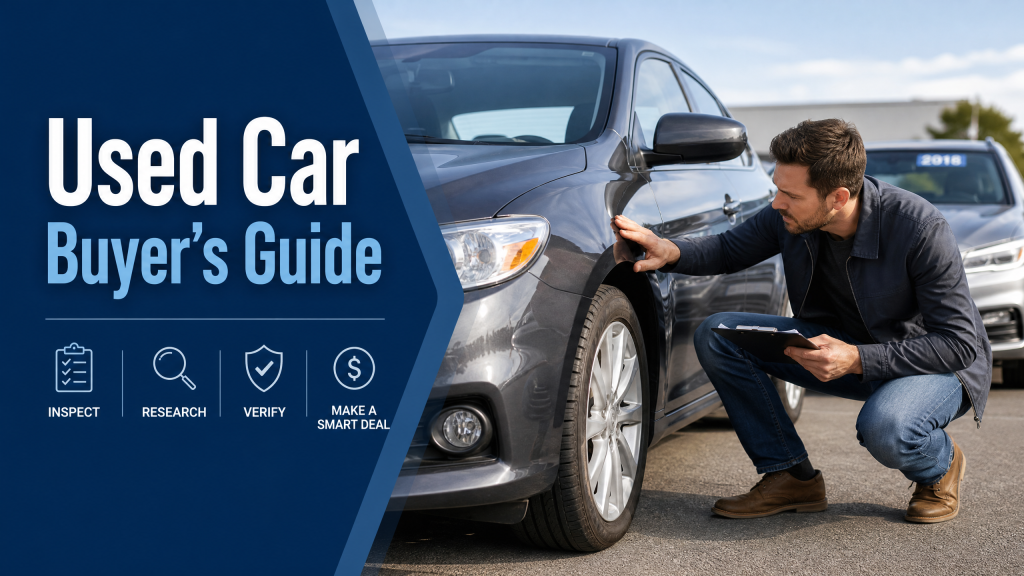
Walk around the entire vehicle in good lighting, ideally natural daylight, and examine every panel carefully. Look for inconsistencies in paint color that might indicate repaired accident damage. Run your hand along the body panels to feel for waves or ripples in the metal, which can suggest hidden bodywork. Check that all panel gaps are consistent — uneven gaps between doors, hood, or trunk panels often indicate previous collision repair. Examine the undercarriage for rust, which is particularly common in vehicles from northern states where road salt is used heavily.
3. Inspect the Interior Thoroughly
The interior condition often reflects how the previous owner cared for the vehicle overall. Check all electrical components including windows, door locks, air conditioning, heating, stereo, and dashboard warning lights. Unusual odors such as mildew or a strong air freshener smell might indicate water damage or attempts to mask underlying problems. Look for water stains on the carpet, headliner, or door panels as signs of potential leaks. Test every seat adjustment mechanism and ensure all seat belts retract and latch properly, as these are critical safety components.
4. Review the Maintenance Records
A seller who has kept detailed maintenance records demonstrates that they took care of their vehicle. Look for regular oil changes, scheduled maintenance performed at appropriate intervals, and documentation of any major repairs. Be particularly interested in timing belt replacements, transmission service records, and brake service history. Vehicles without any maintenance history are higher risk purchases, as you have no way of knowing what preventative care was or wasn’t performed during the ownership period.
5. Test Drive Under Various Conditions
Never purchase a used vehicle without an extensive test drive that covers multiple driving scenarios. Drive on the highway to test high-speed stability and check for vibrations. Navigate through city traffic to evaluate the transmission’s shifting behavior. Find a quiet parking lot to test tight turning radius and parking sensors. Pay attention to how the car accelerates from a stop, how smoothly it brakes, and whether the steering feels tight and responsive or loose and wandering. Any unusual noises, vibrations, or pulling sensations during the test drive warrant further investigation.
6. Have a Pre-Purchase Inspection Done
Spending $100 to $200 on a pre-purchase inspection by an independent mechanic is one of the wisest investments you can make when buying a used car. A qualified mechanic can lift the vehicle to inspect the undercarriage for rust or damage, check fluid levels and quality, test the battery and charging system, and identify potential issues that might not be apparent during a test drive. This inspection often reveals problems that would cost far more to fix than the inspection itself, potentially saving you thousands of dollars or steering you away from a poor purchase altogether.
7. Research Fair Market Value
Knowledge of what a vehicle is actually worth gives you tremendous leverage in price negotiations. Use resources like Kelley Blue Book, Edmunds, and NADA Guides to determine the fair market value for the specific vehicle’s year, make, model, trim level, mileage, and condition. Factor in the current local market conditions, as prices can vary significantly by region. Understanding the vehicle’s true value prevents you from overpaying and gives you concrete data to support your negotiating position when working to reach a fair price with the seller.
8. Check Tire Condition and Age
Tires tell an important story about a vehicle’s maintenance history and can be expensive to replace. Check the tread depth using the penny test — if Lincoln’s head is fully visible, the tires need replacement soon. Look at all four tires to ensure they’re wearing evenly, as uneven wear patterns suggest alignment or suspension issues that can be costly to repair. Check the manufacturing date code on the sidewall, as tires older than six years should be replaced regardless of tread depth due to rubber degradation that compromises safety even when tread appears adequate.
9. Verify All Fluids and Belts
With the engine off and cooled down, check the oil condition by pulling the dipstick — dark brown or black oil suggests infrequent changes, while milky or frothy oil indicates coolant contamination that could signal serious engine problems. Check the coolant level and color in the overflow reservoir. Brown or rusty coolant suggests the system hasn’t been properly maintained. Inspect visible belts for cracking, glazing, or fraying. On vehicles with timing belts, ask when the last replacement was performed, as this service can cost $500 to $1,000 and is critical to prevent catastrophic engine failure.
10. Verify the VIN and Ownership Documentation
The Vehicle Identification Number (VIN) should match on the dashboard, door jamb sticker, title, and registration documents. Any discrepancy in these numbers could indicate title fraud or a stolen vehicle. Ensure the seller has a clear title in their name and that there are no liens recorded against the vehicle. In private party sales, bring a bill of sale template and ensure the title is properly signed over to you. If anything about the documentation seems irregular or the seller is reluctant to provide necessary paperwork, walk away from the deal regardless of how attractive the price appears.
Taking the time to thoroughly evaluate a used vehicle using these ten criteria significantly increases your chances of making a sound purchase that serves you reliably for years to come. Remember that the best deal isn’t always the cheapest price — it’s the vehicle that gives you the best value over the total cost of ownership.
